Work In Practice

Every body of work eventually meets everyday life.

Ideas become conversations. Conversations become choices. Choices become different ways of responding under pressure.

The settings may differ — a boardroom, a meditation hall, a retreat, a private conversation. The work remains the same: helping people recognise when pressure has quietly narrowed what they are able to see, and supporting them in responding with greater awareness, intention and choice.
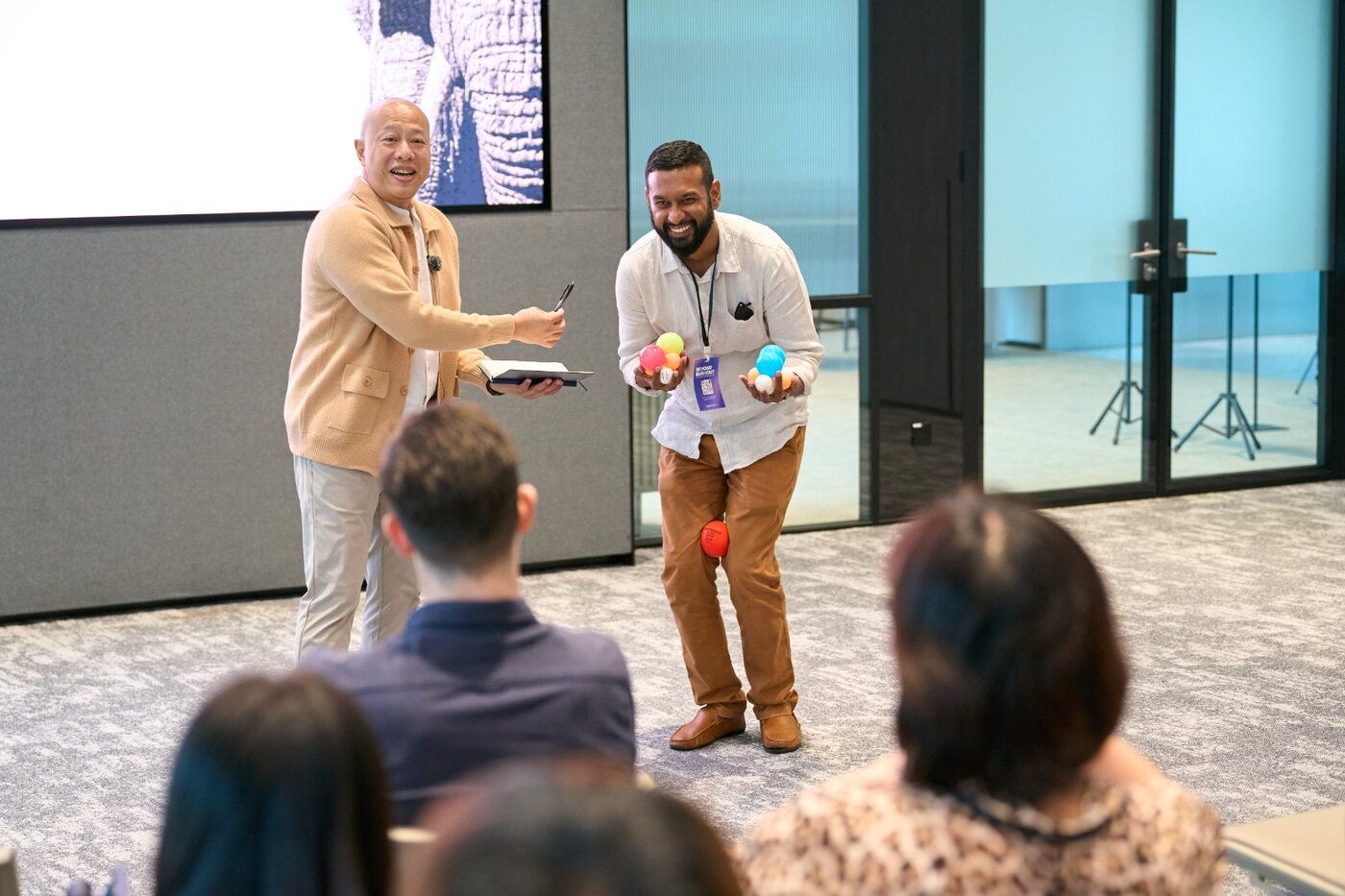

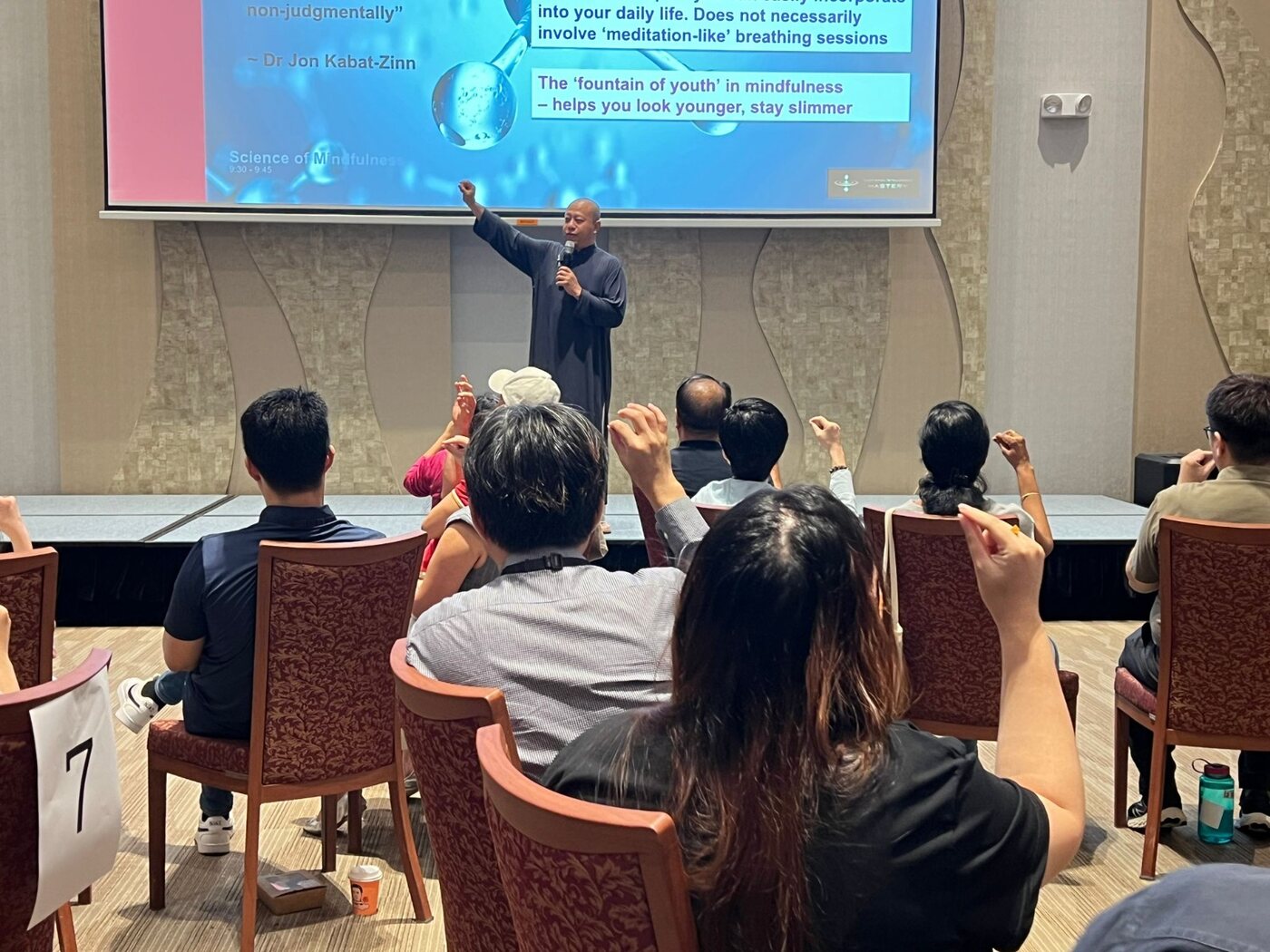
Facilitating a workshop

Wherever the work begins, the destination is the same:

A wider view. More possible responses. A different relationship with pressure.

Experience

A selection of the organisations and communities this work has reached.

01 — Corporate

Where pressure shapes people, culture and decisions.


Every organisation experiences pressure. Deadlines. Change. Growth. Uncertainty. Competing priorities. Most organisations respond by improving systems, processes and capability. Those things matter.

This work begins somewhere else. It explores how pressure quietly shapes the way leaders think, teams relate and decisions are made. When people begin recognising those patterns, conversations become clearer. Leadership becomes less reactive. Performance becomes more sustainable.

Not because the pressure disappeared. Because the relationship with pressure changed.

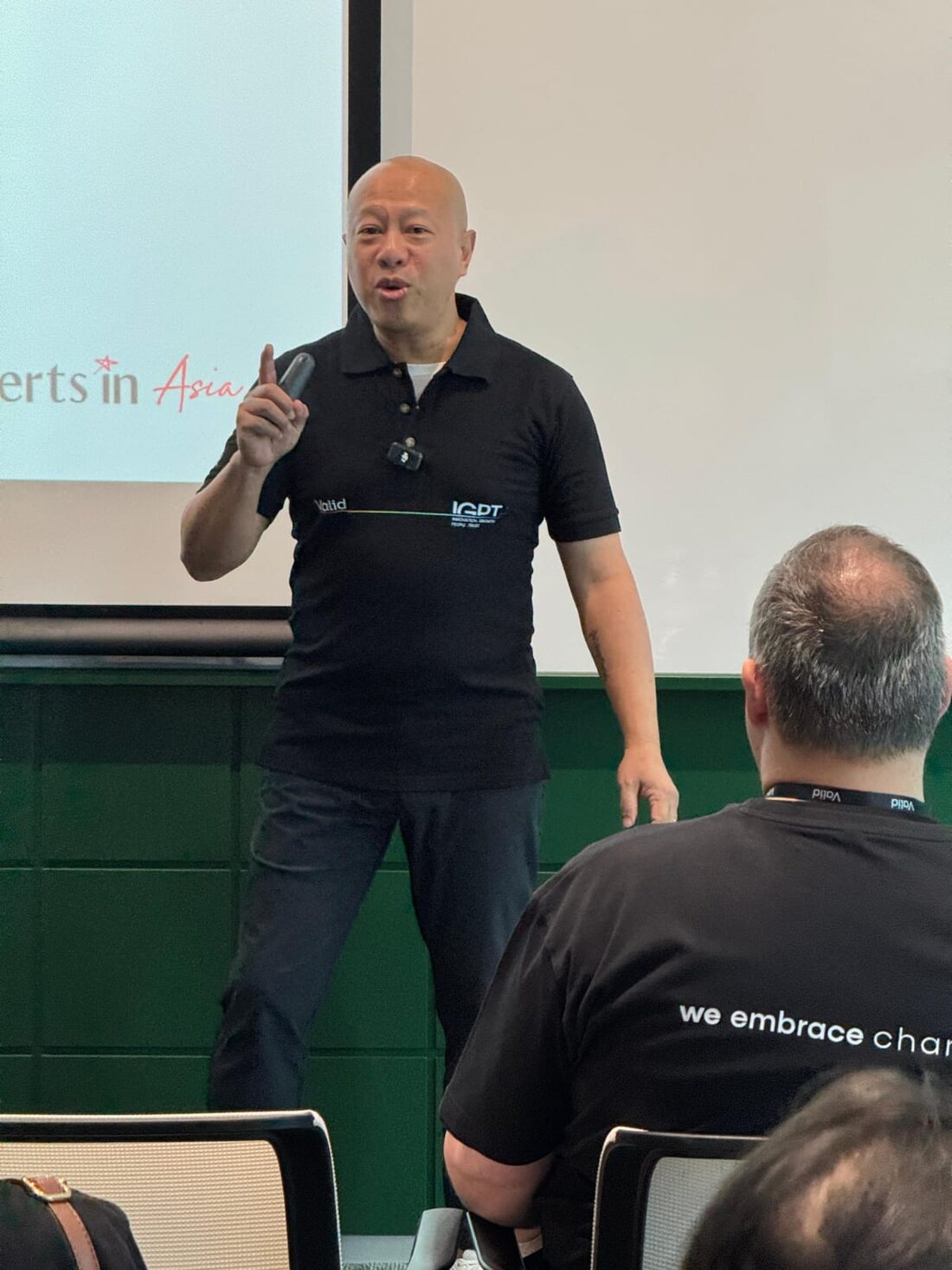
Nadam working with an organisation
  1. SituationA leadership team found themselves revisiting the same conversations despite having capable people and clear strategies.
  2. AwarenessThey realised the challenge wasn't a lack of capability. Pressure had gradually narrowed how they listened, collaborated and made decisions.
  3. Different ChoicesInstead of reacting from urgency, they created space to notice assumptions, explore alternatives and respond more intentionally.
  4. Different ResultsLeadership no longer depended on constant pressure. Conversations became more open. Decisions became clearer. Performance became more sustainable.

Better organisations begin with people who can respond rather than react.

02 — Meditation

Where pressure becomes easier to notice.


Meditation is often misunderstood as an escape from life. For me, it has become a way of returning to it more fully. The purpose is not to empty the mind or chase a particular state. It is to notice — to become familiar with how pressure shapes attention, emotion and response.

As awareness grows, many people find themselves responding differently — not because someone told them what to do, but because they begin seeing more clearly.

A meditation session
  1. SituationA participant found themselves reacting to the same situations despite years of trying to stay calm.
  2. AwarenessThey recognised that pressure was narrowing their awareness long before they noticed their reactions.
  3. Different ChoicesRather than immediately reacting, they learned to pause, notice and choose their response.
  4. Different ResultsCalm became their starting point rather than something they chased. Relationships became easier because reactions became less automatic.

Stillness is not the goal. Seeing more clearly is.

03 — Retreats

Sometimes distance reveals what constant effort hides.


The pace of everyday life can become so familiar that we stop noticing its effect on us. A retreat creates enough distance for the nervous system to settle, the mind to quieten and deeper questions to emerge naturally.

What changes is rarely just the weekend. It is the way people return to everyday life afterwards.

A retreat setting
  1. SituationA founder whose work never truly ended. Even during dinner, weekends and holidays, part of their mind remained switched on.
  2. AwarenessThey realised the pressure wasn't coming only from work. Much of it came from the belief that they always had to carry it.
  3. Different ChoicesThey began creating deliberate moments where attention returned fully to the present instead of the next responsibility.
  4. Different ResultsRest stopped feeling unproductive. Work became clearer because recovery became part of performance.

Sometimes distance allows us to notice what constant effort has hidden.

04 — Private Conversations

Sometimes another perspective helps us see what we cannot yet see ourselves.


Some conversations don't need more advice. They need more space. People often reach out during moments of transition, uncertainty or difficult decisions — not because they lack intelligence, not because they lack options, but because pressure can quietly make one familiar response feel like the only response available.

The conversation is personal. The work remains the same: creating enough clarity for new possibilities to become visible again.

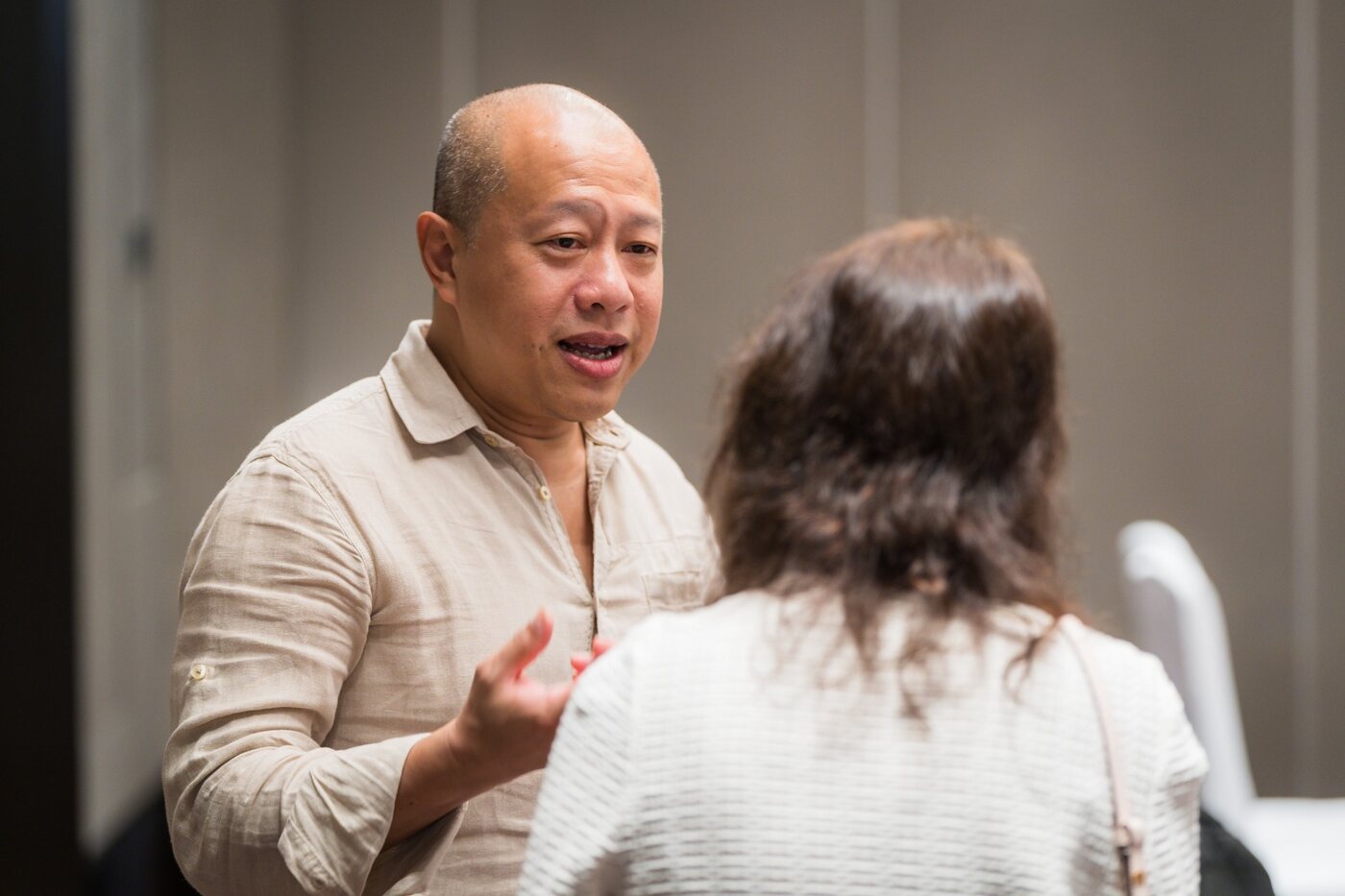
Nadam in a personal conversation
  1. SituationSomeone facing a decision that refused to become clearer no matter how long they thought about it.
  2. AwarenessThey recognised that the decision itself wasn't the greatest challenge. It was the fear attached to what each choice represented.
  3. Different ChoicesInstead of forcing certainty, they became honest about what mattered most.
  4. Different ResultsThe decision became clearer because they had become clearer.

The conversation changes because the person begins to see differently.

Outcome stories are illustrative and will be replaced with real, approved client stories.

The Same Possibility

The pathways are different. The questions are often the same. Every experience begins in a different place, yet they all explore the same possibility — that pressure may quietly narrow what we are able to see, and that as awareness expands, new possibilities begin to appear.

The destination is never perfection. It is greater clarity. Greater choice. And a different relationship with pressure.