About
For a long time, I believed what many people believe. If I became more disciplined, more resilient, more committed, life would eventually become easier. So I kept pushing. Much of the time, it worked.
Until it didn't. Not because pushing had failed, but because I had quietly lost the ability to imagine another way of responding.
Looking back, that became one of the most important discoveries of my life.

The Question That Changed Everything
The people who struggled most were rarely lacking intelligence, commitment or effort. Many were doing everything they knew to do. Yet they kept finding themselves returning to the same familiar responses, even when they knew those responses were no longer helping.
What if pressure changes what we are able to see before it changes what we choose to do?
The Push Paradox grew from that question. Not as a theory. As an ongoing exploration.

The Work Behind The Work
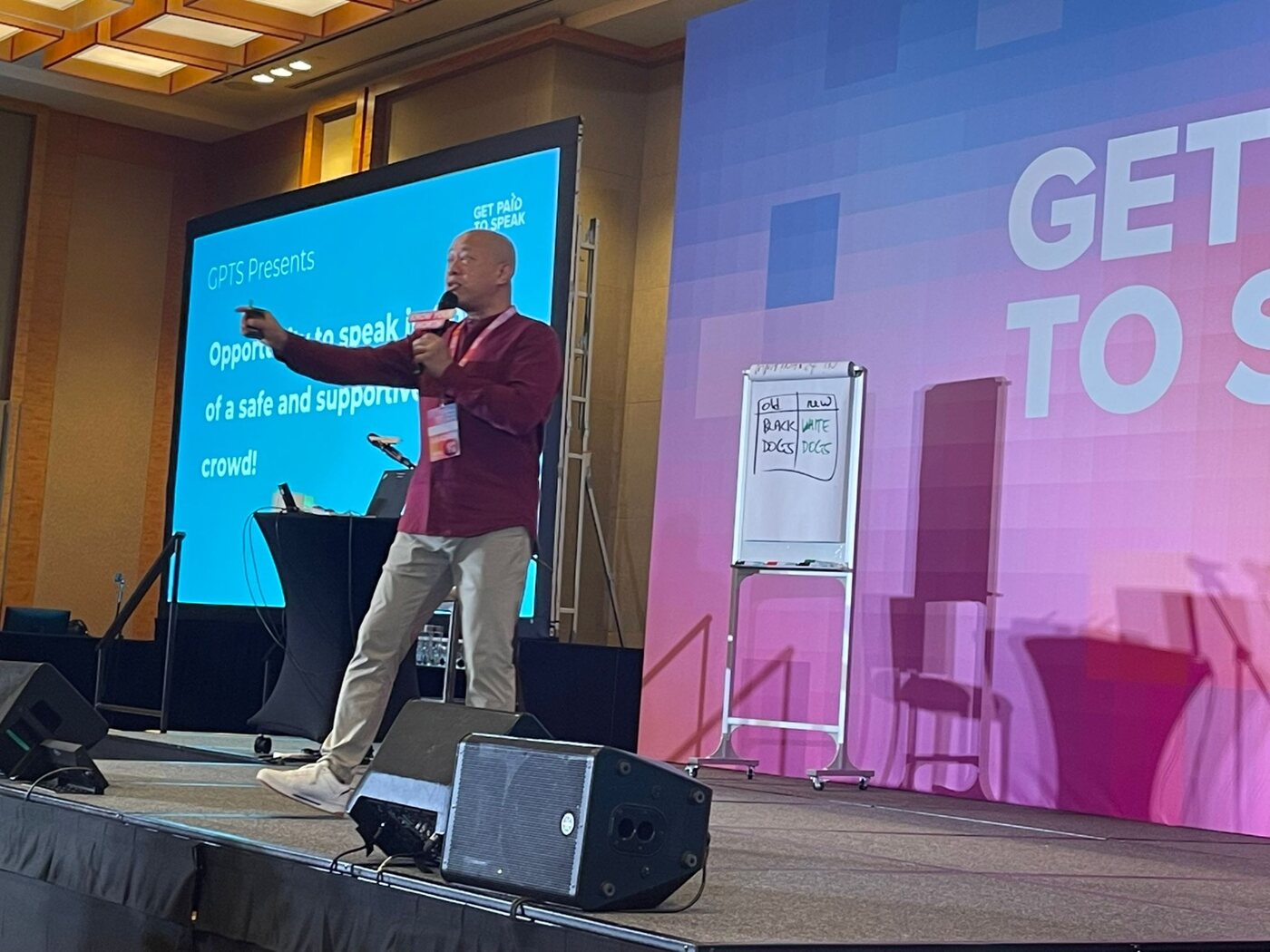
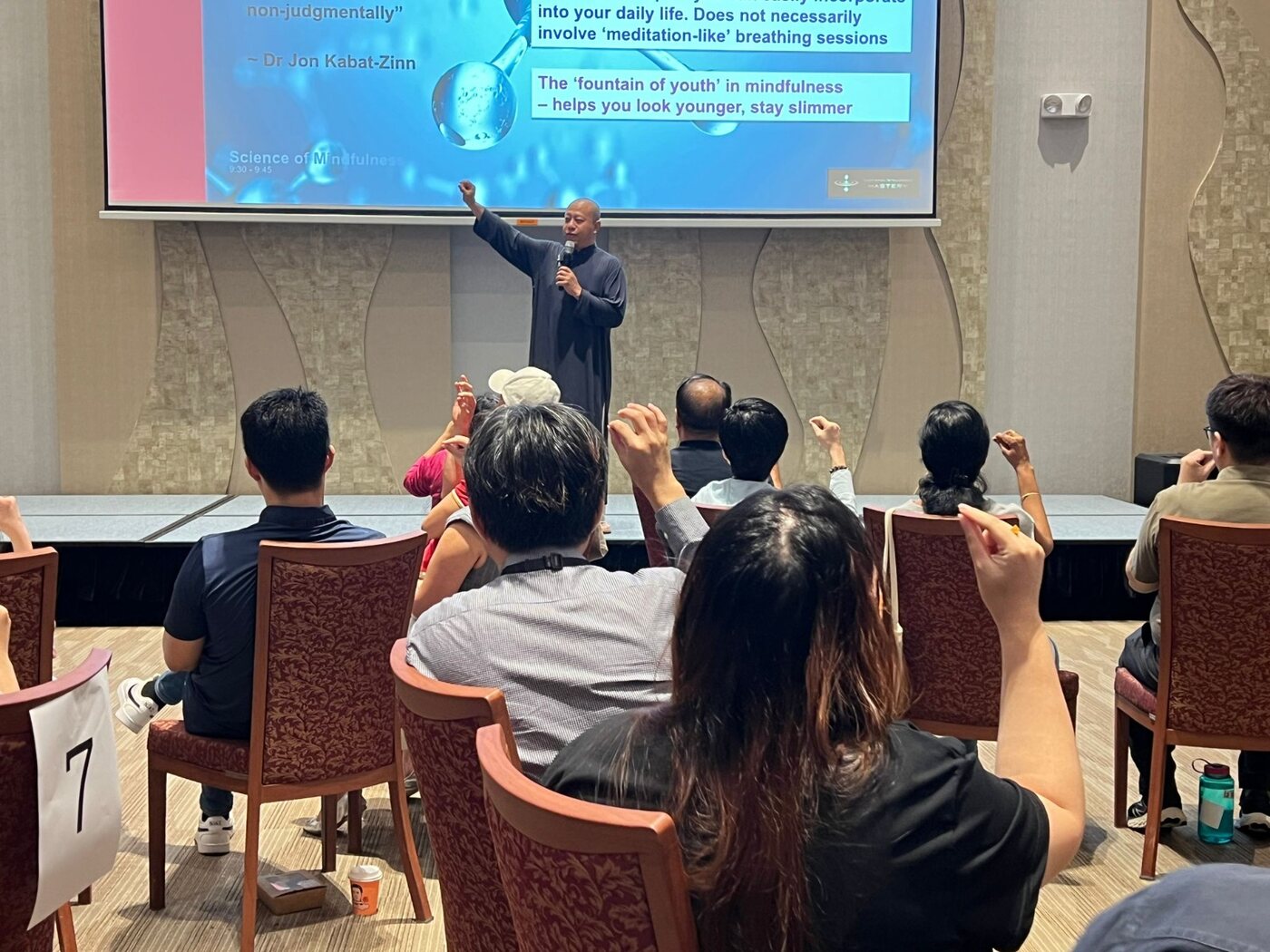
Corporate training, leadership development, emotional wellbeing, meditation, retreats and private facilitation. I've had the privilege of working with thousands of people across organisations, schools, healthcare, government agencies and community groups.
Those experiences have been valuable. But they were never the destination. They became places where I could continue asking the same question in different settings.
Every workshop. Every retreat. Every conversation. Every keynote. Another opportunity to observe how pressure shapes perception, and how awareness can quietly restore possibilities.

Why Awareness Became Central
Meditation became one of the practices that helped me cultivate something far more important. Awareness.
Along the way, I explored books, personal development programmes, leadership models, psychology, coaching, facilitation and many other approaches. Each offered valuable insights and practical tools. Yet I gradually realised that the usefulness of any tool depended on one thing — could I recognise what was actually happening within me while I was under pressure?
Without awareness, even the best ideas were easy to understand but difficult to apply. Awareness changed that. It allowed me to notice patterns I had previously overlooked, making every other practice more meaningful and more effective.
The goal has never been to teach meditation. The goal is to help people develop the awareness that allows them to make better use of whatever tools, practices or conversations they choose.
The setting may differ. The work remains the same.

What I Hope This Work Contributes
Pressure is part of every meaningful life. What concerns me is what pressure can quietly do to our perception if we remain unaware of it.
If The Push Paradox contributes anything, I hope it offers people a gentler and more compassionate way of understanding themselves and one another. Not through judgement. Not through labels. But through recognising that many of our responses began as strengths — and that new possibilities often appear when we learn to see more clearly again.

Beyond This Website
The Push Paradox continues to evolve. Through writing. Speaking. Facilitation. Research. Conversations. And the many people whose stories continue shaping the work.
If something here resonates with you, I'd be honoured to continue the conversation.