The Push Paradox

What if you're not stuck?
What if you're seeing less than you realise?

When life becomes demanding, most of us don't stop responding. We respond with what has worked before. We push harder. We take more control. We strive, help, perfect, carry or endure.

Often, those responses are genuine strengths. The difficulty begins when pressure quietly narrows our perception until one familiar response starts to feel like the only response available.

That is the question at the heart of The Push Paradox.

Looking outward — a wide, open horizon

Seeing Pressure Differently

Most conversations about pressure focus on reducing it, managing it or escaping it.


The Push Paradox begins somewhere else. It asks a different question.

What if pressure changes what we are able to see before it changes what we choose to do?

If that is true, then the challenge is not simply learning new strategies. It is recognising when our world has quietly become smaller than it really is.

Because once we begin to see more clearly again, possibilities that felt unavailable often begin to return.

A quiet, reflective space

A Different Lens

The Push Paradox is not another method for solving problems or improving performance.


It is a way of understanding what pressure may quietly be doing before we even notice it.

When pressure narrows perception, one familiar response can begin to feel like the only response. The response itself is not necessarily the problem. Often it is one of our greatest strengths.

The difficulty begins when we can no longer see that other possibilities exist.

Nadam

A Familiar Pattern

Different lives. A familiar pattern.


Pressure rarely looks the same.

  • A leader begins micromanaging.
  • A parent repeats the same conversation.
  • A high performer pushes beyond exhaustion.
  • A team avoids an important discussion.
  • A relationship slowly becomes predictable instead of present.

The situations are different. The pattern is often surprisingly familiar.

A room under quiet pressure

The Promise

The Push Paradox does not promise a life without pressure.


It seeks to expand a person's capacity to respond under pressure.

As people respond more intentionally, they often experience stronger relationships, better judgement, healthier teams and more sustainable performance.

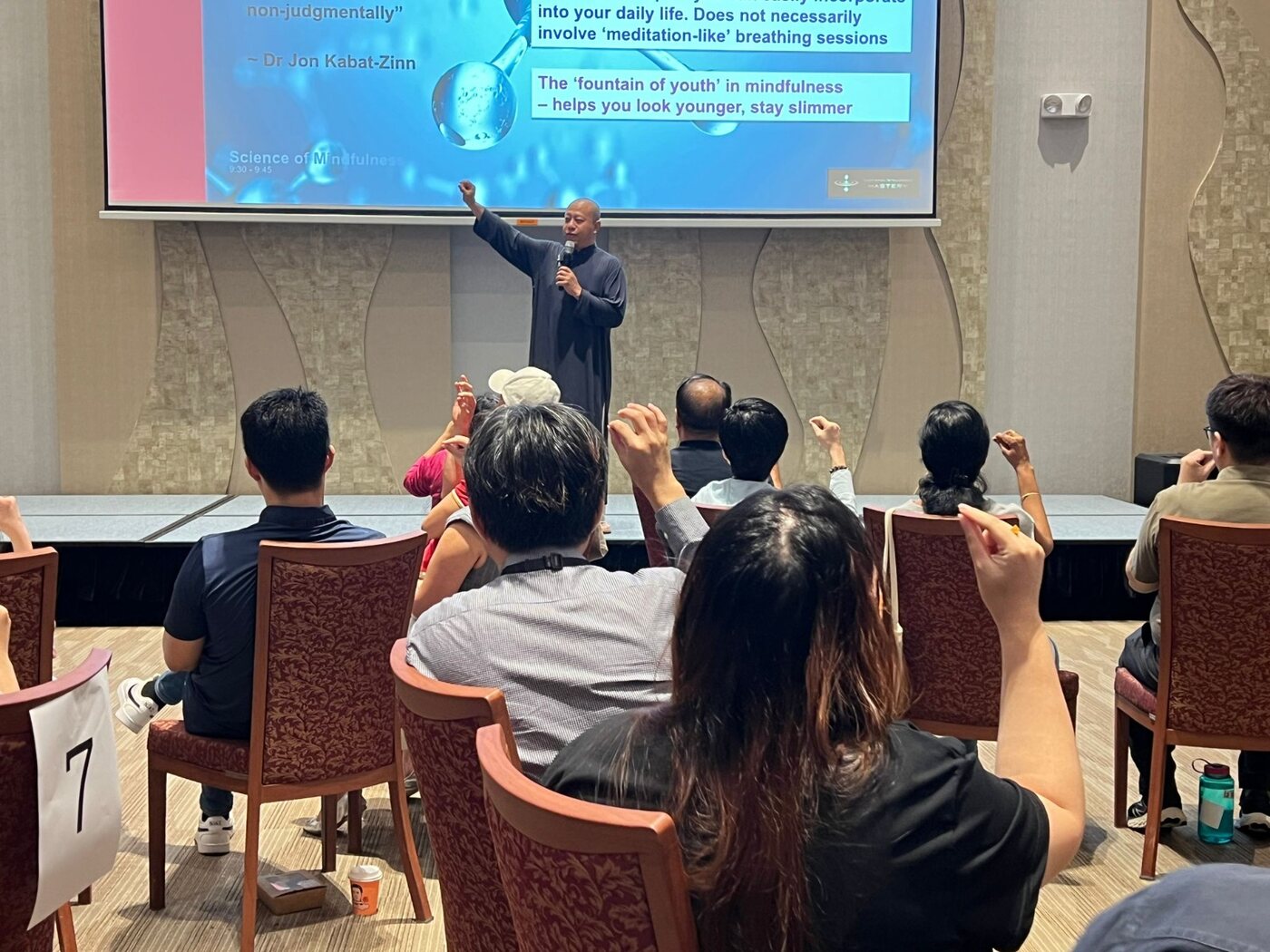
A facilitated session

Continue The Conversation

Every person arrives with different questions. Some begin by reading. Some attend a session. Some explore the work through their organisation. Others simply become curious enough to notice their own patterns differently.

Wherever you begin, begin with curiosity.